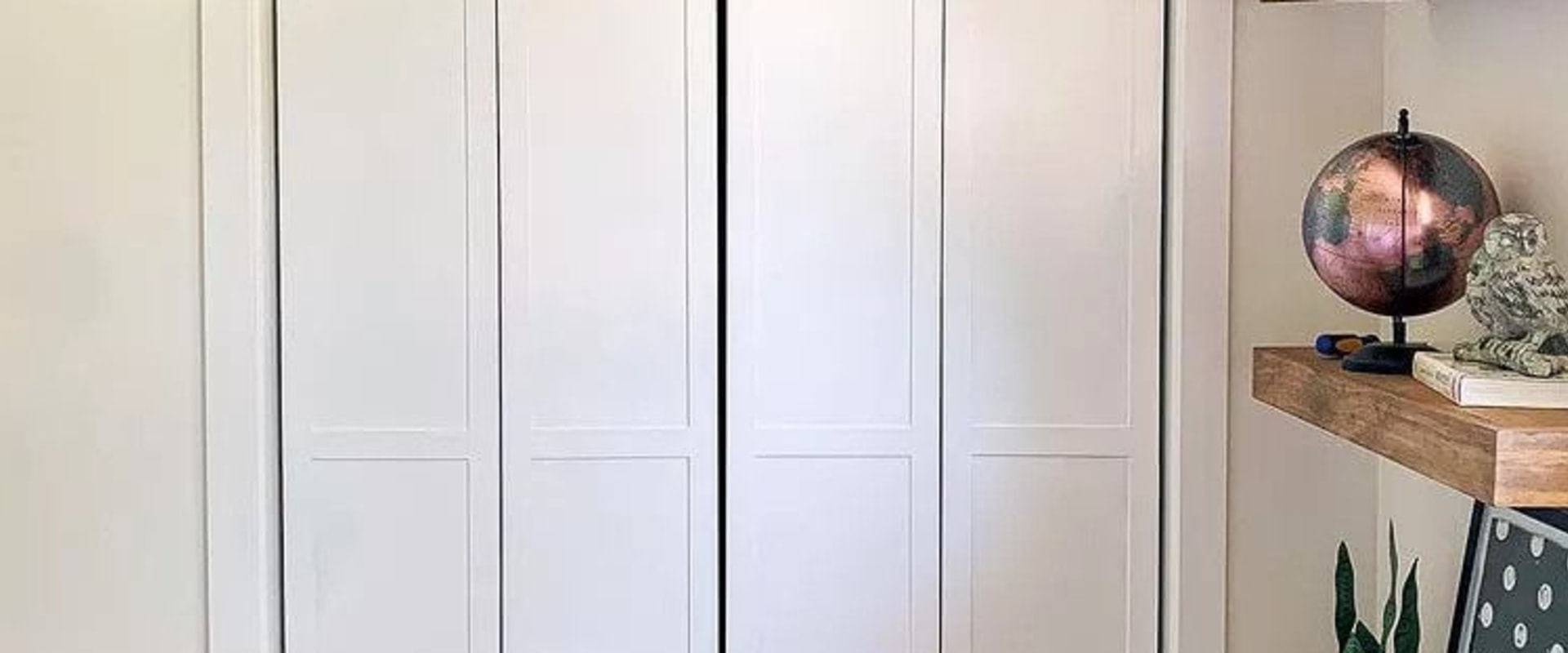
How Homeowners Weigh Alternatives to Closet Doors During a Remodel
How Homeowners Weigh Alternatives to Closet Doors During a Remodel

How Homeowners Weigh Alternatives to Closet Doors During a Remodel
When a home remodel is underway, few decisions spark as much debate as what to do with closet doors. Traditional hinged doors, bifold panels, and sliding track systems have served homeowners for decades, but they come with real limitations — they swing into living space, require clearance, fall off tracks, and often feel dated. More and more, homeowners are pausing before they automatically replace old closet doors with more of the same. Instead, they are asking a smarter question: Is there a better solution for this space?
The answer, in many cases, is yes. Understanding how homeowners evaluate their options — and what factors ultimately drive their decisions — can help anyone navigating a remodel make a choice they will be happy with for years to come.
Why Homeowners Question Closet Doors in the First Place
The remodeling process is inherently disruptive, and that disruption creates an opportunity for honest evaluation. When old closet doors are removed for flooring installation or a fresh paint job, homeowners often stand back and realize the doors were more of a hassle than a help.
Common frustrations include:
- Bifold doors that constantly jump off their tracks or warp over time
- Sliding doors that only expose half the closet at any given time
- Hinged doors that require significant floor clearance to swing open
- Doors that feel visually heavy and make small rooms feel more cramped
- Hardware that is difficult to update without replacing the entire door system
Once a homeowner identifies these pain points, they naturally start exploring what else is available. That exploration is where the real decision-making begins.
The Key Factors Homeowners Consider
1. Available Floor and Wall Space
Square footage is often the deciding factor, particularly in bedrooms, hallways, and home offices where closet doors open directly into high-traffic zones. A standard hinged door requires roughly two to three feet of swing clearance, which is space that cannot hold furniture, a bed, or a desk. In tighter rooms, eliminating the door entirely or switching to a space-saving alternative can completely transform how a room functions.
Homeowners with narrow hallways leading to linen or coat closets face a similar challenge. A door that opens outward into a hallway creates a hazard and a bottleneck. In these situations, an alternative that does not require any swing clearance becomes not just a style choice but a practical necessity.
2. Aesthetic Goals for the Remodel
Modern and transitional design styles have moved away from the visual clutter of standard closet hardware. Open shelving, curtain panels, and decorative screens can align with a room's overall aesthetic in a way that a flat, hollow-core door simply cannot. Homeowners who are investing in a thoughtful remodel want every element to contribute to the design story, and closet access points are no exception.
This is a significant reason why so many remodelers turn to resources like alternatives to closet doors to survey options that range from plantation shutters to barn doors, curtains, and beaded room dividers. Having a curated list of alternatives makes it much easier to visualize what will work within a specific design direction.
3. Budget and Return on Investment
Closet door alternatives span a wide price range. A simple fabric curtain hung from a tension rod can cost as little as twenty dollars, while a custom barn door installation with premium hardware can run several hundred to over a thousand dollars. Homeowners doing a full remodel are already managing a tight budget, so understanding the cost-to-impact ratio matters.
Interestingly, some of the most affordable alternatives — like Roman shades, curtain panels, or repurposed wooden shutters — often deliver the highest visual impact relative to their cost. This appeals to budget-conscious homeowners who want big results without stretching their renovation funds.
4. Ease of Installation and Maintenance
Not every homeowner is comfortable with complex installations. Barn door hardware, for example, requires locating wall studs, mounting a heavy track, and ensuring the door hangs level and slides smoothly. For DIY remodelers, the ease of installation is a major factor. Curtain rods and tension rods, by contrast, can be installed in minutes with minimal tools.
Maintenance is equally important. Homeowners who have struggled with bifold door track alignment or hinges that slowly work themselves loose are particularly drawn to alternatives that have fewer mechanical components to fail.
Popular Alternatives and What Makes Them Appealing
Curtains and Fabric Panels
Fabric panels are the most versatile and budget-friendly alternative. They can be switched out seasonally, washed easily, and changed whenever the room's design evolves. Floor-to-ceiling curtain panels also create the illusion of height, which many homeowners find appealing in rooms with standard eight-foot ceilings.
Barn Doors
Barn doors have remained popular because they make a design statement while solving a functional problem. They slide parallel to the wall rather than swinging out, preserving floor space. They work particularly well on larger closets, laundry rooms, and master bedroom wardrobes where a bold visual anchor is welcome.
Plantation Shutters
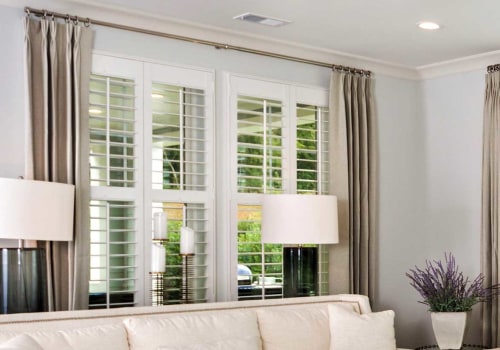
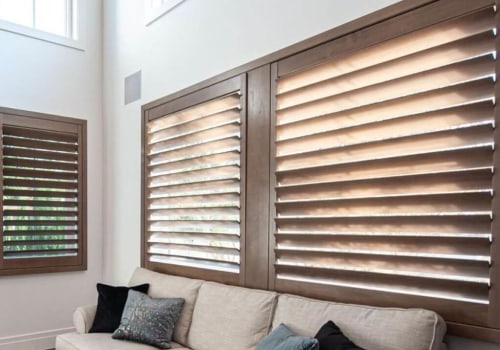
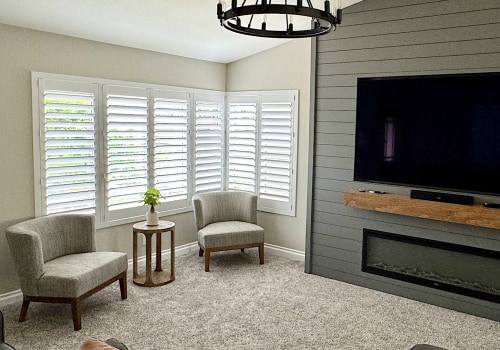
Shutters offer a more structured, architectural feel than fabric alternatives. They allow for ventilation, are easy to wipe clean, and have a timeless quality that aligns with traditional and coastal design styles. Many homeowners appreciate that shutters look custom and intentional rather than like a placeholder.
Open Shelving and No-Door Approaches
In walk-in closets and wardrobe alcoves, some homeowners skip a door altogether and focus instead on making the closet interior itself a design feature. Matching hangers, color-coded clothing organization, integrated lighting, and built-in shelving systems turn the closet into a display rather than something to conceal.
How Homeowners Make the Final Call
In practice, most homeowners narrow their options down to two or three alternatives and then make the final decision based on a combination of budget, available time for installation, and how well each option fits the room's specific dimensions. Online research plays a large role in this process — browsing curated lists of alternatives, reading installation guides, and looking at before-and-after photos gives homeowners the confidence to move forward with something other than a standard door.
The remodel context is uniquely motivating. When walls are already open and flooring is being replaced, the disruption cost of trying something new is essentially zero. That psychological freedom — paired with genuine frustration with old door systems — is what pushes homeowners to finally make a change they have been considering for years.
Final Thoughts
Choosing what to put on a closet opening during a remodel is a deceptively important decision. It affects how a room feels, how easily the space functions day to day, and how well the finished remodel holds up over time. By taking the time to evaluate space constraints, budget, design goals, and maintenance expectations, homeowners can make a choice that genuinely improves their home rather than simply replacing one frustration with another. The growing variety of alternatives available today means there is a right answer for nearly every room, every budget, and every design vision.